
Driving gender equity in UK tech


Insights from the 2025 Lovelace Report and Mercer | Comptryx
Why the Lovelace Report matters to HR and reward leaders
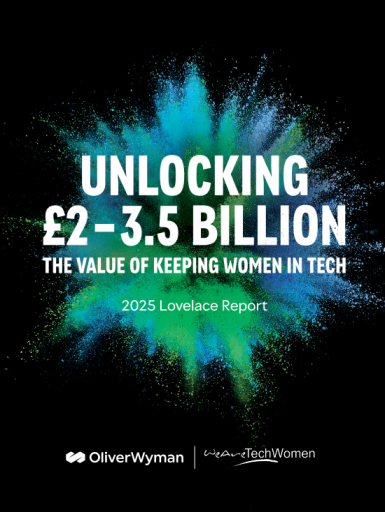
Titled The Value of Keeping Women in Tech, the report warns that the UK could be losing up to £12 billion annually due to women’s underrepresentation and attrition. Women comprise just 20% of the UK’s tech workforce - a gap that’s widening as women leave the sector twice as fast as men. Annually, 40,000 to 60,000 women exit the UK tech and digital sector. Some leave the industry entirely; others switch employers seeking better career prospects denied by their current roles. This churn costs the UK economy between £2 billion and £3.5 billion annually. Specifically, women changing roles account for an estimated £640 million to £1.3 billion of this cost, while those leaving tech altogether represent an estimated £1.4 billion to £2.2 billion in lost economic value.
Women hold just 15% of leadership roles in tech, and the gender pay gap remains around 15%, reaching up to 25% in some roles. These disparities stifle organisational growth, curb innovation and threaten the UK’s ambition to lead globally in AI, digital infrastructure and advanced innovation.
Addressing these issues is both a moral imperative and a strategic business priority. Organisations that fail to act risk missing out on a talent pool worth billions and jeopardising their future growth. For HR and reward professionals, targeted interventions -such as equitable pay, inclusive talent development and flexible work policies - are essential to retaining women and unlocking their full potential.
The power of data-driven decision-making
Implications for HR and reward strategies
The Lovelace Report emphasises that closing gender disparities is vital for sustainable business success. With high-quality data and industry benchmarks, HR and reward teams can:
- Conduct precise pay equity audits to identify and address disparities.
- Design inclusive reward packages that attract and retain diverse talent.
- Implement flexible policies like remote working, parental leave and career breaks to support women’s career continuity.
- Develop targeted talent development programmes to prepare women for leadership roles.
- Track progress with reliable metrics and reporting frameworks.
The business case for action
Investing in gender diversity delivers measurable benefits — boosting innovation, enhancing decision-making and increasing profitability.
Furthermore, proactively addressing pay gaps and career barriers helps organisations reduce turnover, retain critical skills and build a resilient, inclusive workforce — key ingredients for leading in the global tech arena.
Looking ahead
Join the conversation
How we can help
- UK & European Consulting Leader - Technology and Life Science Sectors
- European Technology Industry Commercial Leader