
House OKs HSA enhancements, paid leave employer tax credits, student loan provisions in budget bill
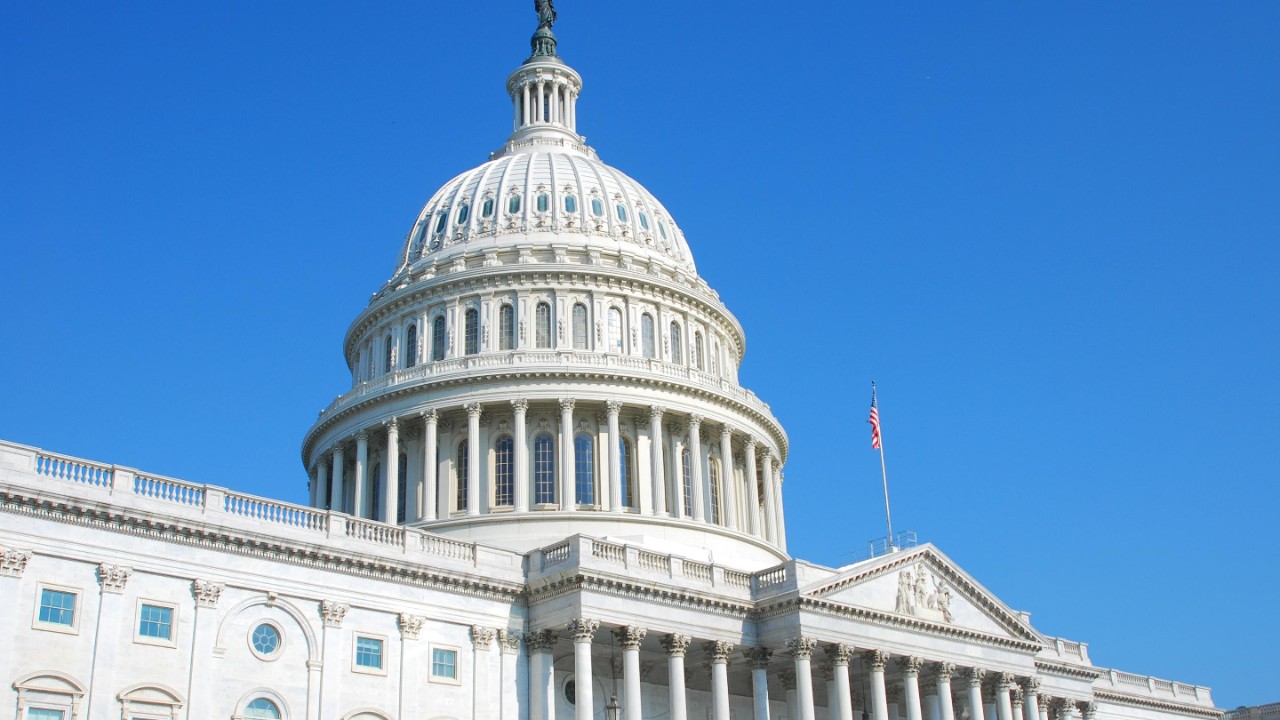


House Republicans passed a sweeping tax and budget reconciliation package (the “One Big Beautiful Bill Act,” HR 1) by a single vote on May 22 that, in good news for plan sponsors, makes no changes to the tax-favored treatment of employer-provided healthcare benefits.
While the bill must now be considered by the Senate where it will undergo changes, we are keeping our eye on a host of employer-friendly provisions that would expand eligibility and uses for Health Savings Accounts and Health Reimbursement Arrangements, extend and enhance the employer tax credit for paid family and medical leave, and extend employers’ ability to provide tax-free educational assistance.
An extension of pandemic-related telehealth flexibility for High-Deductible Health Plans is not in the measure.
HSA enhancements
Under current law, otherwise HSA-eligible individuals are disqualified from making or receiving HSA contributions if they are eligible for free or discounted healthcare from an employer’s onsite clinic that provides “significant benefits”; they are enrolled in a Direct Primary Care Service Arrangement, or they are enrolled in Medicare Part A. The bill would relax or eliminate these HSA eligibility restrictions.
Additional proposals in the bill would:
- Permit the use of HSAs to cover DPCSA fees.
- Allow HSAs to be used for “qualified sports and fitness expenses,” including gym membership fees and instructional physical activity, with a limit of $500 per year for single taxpayers and $1,000 per year for joint filers.
- Enable employees who are newly enrolled in a high-deductible health plan, at the employer's discretion, to convert flexible spending arrangement (FSA) or health reimbursement arrangement (HRA) balances into an HSA, subject to annual limits.
- Allow both HSA-eligible spouses aged 55 or older to make their $1,000 annual "catch up" contributions into the same HSA.
- Ensure that individuals remain HSA-eligible even if their spouse has a health FSA.
- Increase HSA contribution limits by an additional $4,300 per year for individuals with self-only HDHP coverage and an Adjusted Gross Income of less than $75,000 (phases out completely at $100,000), or by an additional $8,550 for individuals with family HDHP coverage and an AGI of less than $150,000 (phases out completely at $200,000). All contribution limits and income thresholds would be adjusted for inflation.
- Allow HSAs to be used to pay for medical services incurred before the HSA is established, provided that the HSA is set up within 60 days after the coverage under the HDHP begins.
- Treat ACA exchange-based bronze and catastrophic plans offered in the individual market as HSA-qualifying HDHPs.
These provisions all would take effect starting in 2026.
Permanent, expanded employer tax credit for paid family and medical leave
Current law provides a tax credit (scheduled to expire at the end of 2025) for certain employers that pay wages to employees on family and medical leave. Many employers do not qualify for the tax credit, however, in part because leave benefits required by state or local law aren’t taken into account when determining the amount of leave provided by the employer. The bill would make the tax credit permanent and ease the qualification requirements.
Permanent tax exclusion for employer payments of qualified student loans
Another current-law provision set to expire at the end of 2025 allows up to $5,250 of employer-provided qualified educational loan payments to be excluded from an employee's gross income. The bill would make this provision permanent. Additionally, the bill would index the current $5,250 cap for all IRC § 127 education assistance programs for inflation.
HRA changes
The bill codifies the final 2019 regulations that allow Individual Coverage HRAs and renames them as Custom Health Option and Individual Care Expense (CHOICE) arrangements, with some modifications. It also allows employees enrolled in a CHOICE arrangement to pay individual health insurance premiums for ACA exchange policies on a pre-tax basis through cafeteria plans. Additionally, it establishes a two-year tax credit for small businesses with fewer than 50 employees that offer coverage through CHOICE arrangements for the first time.
Bicycle commuting reimbursement terminated
The Tax Cuts and Jobs Act of 2017 suspended certain tax exclusions through the end of 2025, including the exclusion for employer reimbursements of up to $20 a month for employees for bicycle commuting expenses. The bill would permanently eliminate this exclusion.
Next steps
The Senate is set to consider the House-passed bill when lawmakers return to Washington next week. Republican House and Senate leaders are aiming to pass a final bill by July 4, though that timeline could slip given the difficult negotiations ahead. Whether a final bill will keep, change, or add to the House bill’s health and welfare provisions is uncertain. Under the budget reconciliation process, legislation is not subject to a Senate filibuster and can pass with a simple majority (51 votes, or 50 votes with the vice president as tiebreaker), but only if all its provisions have a direct impact on the federal budget.