Captives continue to grow: Ways to seek to optimize your approach

Organizations of all sizes may use captive insurance companies to seek to reduce uncertainty and take greater control over complex risks. The risk programs vary widely, but in our opinion, the goals and benefits largely remain the same: financial agility and smarter risk controls.
Premium Growth, Expanding Coverage, and More Risk
Despite a softening property market, captive annual premium continues to grow , as captive owners seek greater risk retention and broader coverage areas. Premium increases are being driven by capacity constraints, rate conditions, reinsurance pressures, and global trends. Notably, organizations are now looking to optimize captives for long-term use amid persistent political and market uncertainty.
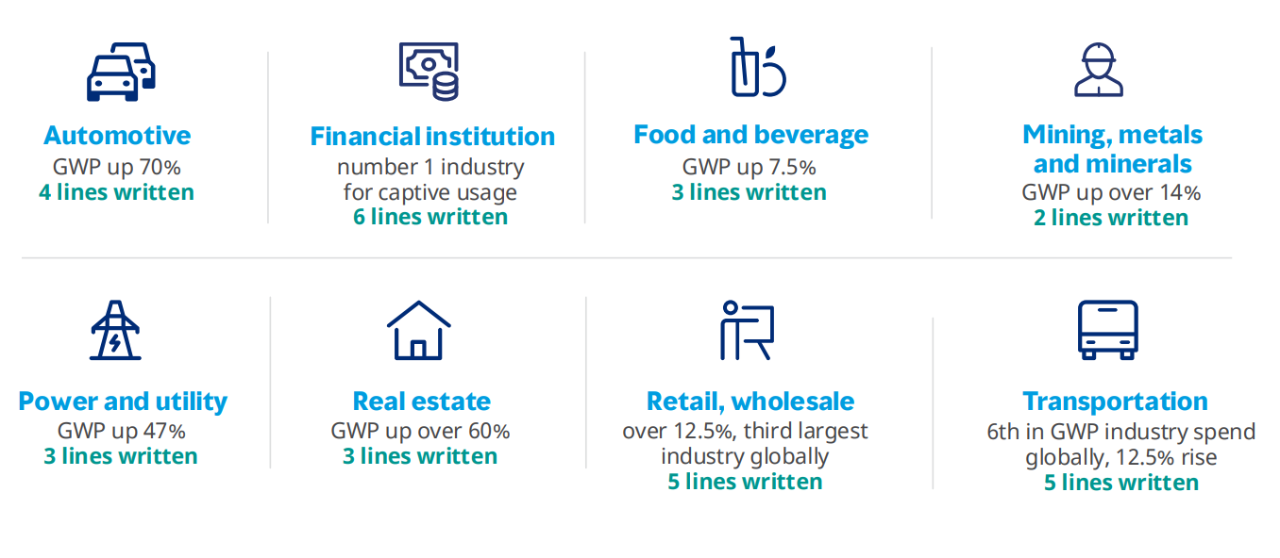
In 2024, Marsh-managed new captives retained over 55% of the additional premiums they wrote, while large captives boosted their retentions by an average of 8%, compared to 2023. This trend reflects both harder conditions in parts of the commercial insurance market and a growing comfort among owners with taking on more risk themselves. Many expanded their risk portfolios, with established captives adding one or two new lines on average. Popular emerging or non-traditional coverages included cyber, Directors & Officers, trade credit, political risk, and supply chain coverage.
Alternative Coverages Gain Ground
Finance Leads the Charge in Coverage Lines
Optimizing Your Approach To Captives
For organizations already operating captives, a key next step is to unlock greater strategic value. This means exploring innovative ways to optimize costs, reduce losses, expand capacity, and better align risk with business objectives:
- Reassess current and future-state needs: A strategic review may help align captive operations with an organization’s goals by assessing current and future states and developing tailored plans. This often involves steps like risk diversification to seek to build surplus and support long-term risk financing. Working with specialist advisors may provide a smart path to optimizing your captive.
- Establish additional captive vehicles: Captives aren't just for tough insurance markets, but a strategic tool across cycles. Forming or expanding captives during calmer conditions may give owners more flexibility, stronger insurer relationships, and better positioning for future rate shifts and demonstrates a proactive approach to managing total cost of risk.
- Review asset allocation: As captives write more risk, grow in complexity, and retain more surplus, a review of the investment program may reduce opportunity costs. A focused, risk aware investment program supports future captive growth and may lower the total cost of risk to an organization.
Organizations may benefit from tailored insights from adopting a more flexible approach that may assist them to align capital, risk, and growth goals with liability-driven portfolio design and full balance sheet analysis. In our view, success depends on moving fast when opportunities arise, and partnering with a disciplined, transparent advisor can make all the difference.