Mercer

Transforming pensions and healthcare: Opportunities and collaborative strategies

Last updated: 2 September 2009


This article forms part of our special Perspective relating to the 2009 report of the World Economic Forum (WEF).


Authors: Chiemi Hayashi of the World Economic Forum, Heli Olkkonen of Mercer, Bernd Jan Sikken of the World Economic Forum and Juan Yermo of the OECD.


Mercer Advisors: Christine Owen, Giles Archibald, John Betts, Vanessa Wang.


The  World Economic Forum, in partnership with Mercer and the Organisation for Economic Co-operation and Development (OECD), in September 2009 delivered its findings from a two-year global research project addressing the following important questions:


  • How will the financing of pensions and healthcare evolve globally between today and 2030? What will be the role of governments, the private sector and individuals? 
  • What are the most promising strategies today for improving sustainable financing of healthcare and pensions in ageing societies?
  • How can governments, the private sector and individuals be mobilized to action and their interests aligned to achieve collaborative efforts that yield transformational changes to pensions and healthcare financing?


This research enables employers to understand external risks affecting employee health and employer benefit plans (the Global Driving Forces), to test the effectiveness of an employer strategy for retirement and health against likely future environments (the Scenarios), and, where appropriate to an employer’s circumstances, to incorporate into the strategy relevant promising Strategic Options for improving the sustainable financing of retirement and healthcare.

The research distils the insights from interviews and workshops with approximately 200 experts and decision makers in Beijing, Brussels, Davos, Dubai, Geneva, London, Milan, New York, Rome, Tianjin and Tokyo. This includes representatives from more than 60 companies (financial institutions, healthcare firms, employers) and more than 40 nonbusiness organizations (ministries, academic institutes, and international organizations).
 
The research authors are supported by four Mercer Advisors – Christine Owen, Giles Archibald, John Betts and Vanessa Wang – and the project’s Steering Committee chaired by M. Michele Burns, Mercer Chairman and Chief Executive Officer.


This two-year global research project produced two publications, providing critical information on three important outcomes and a decision-making framework. The three outcomes are:


1.
Global driving forces shaping the future of pensions and healthcare.
 
A set of 12 macro-driving forces judged to have the most impact on shaping the future of pensions and healthcare was identified and prioritized through extensive expert interviews and refined at workshops. These powerful forces can be seen in Exhibits 1a and 1b on the next page and are analyzed in detail in our first publication on pages 93 – 96.
 
The three forces considered most important are global economic and capital markets performance, the changing role of governments and employers in social welfare, and demographic shifts. How these 12 global driving forces play out at the country level depends very much on the starting point and on the national characteristics of each country. Differences among countries in the pension and healthcare arenas most notably include cultural preferences, expectations, legacy pension promises, and historical forms of financing (pre-funded or pay as you go [PAYG]). These driving forces then form the basis for considering future scenarios.


Exhibit 1a


exhibit 1a


Exhibit 1b


Selected Driving Forces


Social drivers


Demographic shifts are regarded as a major driver of the scenarios, as population structures change with the ageing trend. While the future demographic structure of most nations is regarded as fairly stable across all scenarios, the impact of this structure varies from country to country and has different effects in different contexts. Urbanization is likewise considered to have major impacts on the future of pension and healthcare financing and is also regarded as fairly stable across all scenarios.
 
Another important social driving force is the role of families in social welfare, which has the capacity to shift substantially based on trends in social cohesion, the mobility of people and the relative availability of formal and informal sources of care. A final major social driver, which can be considered a deep cause of “changing attitudes of individuals, employers and families towards retirement and health,” is the level of knowledge regarding financial and health issues among individuals. Experts consider this key to determining behaviour in terms of savings, investment and preventive health measures.


Technology and innovation drivers


Medical innovation and/or new technological applications could increase either the cost or the efficiency of healthcare intervention. In addition, participants considered innovation in financial services as important given the changing needs of pension and healthcare systems in different scenarios.


Economic drivers


Economic performance (at both the global and country levels) and capital market performance (of all kinds of assets, such as pension fund portfolios, that can be used to create wealth and finance retirement) are key influencing factors, both in terms of available public funding and the potential effects on politics and society. Considered of particular importance, and represented as a separate driver at both the global and country levels, is income and wealth inequality.


Environmental drivers


The influence of climate change and environmental degradation was raised by participants as a critical driver, as were changing patterns in infectious and chronic diseases.


Political drivers


Pension and healthcare reforms are two key drivers of public policy at the country level, as governments can drastically change regulations and incentive structures. In addition to the changing role of governments in social welfare, other political drivers considered at the country level were labour markets and education reforms.


2. 

Three global scenarios of the future of pensions and healthcare.


Inevitably, the next two decades will bring new surprises. The three global scenarios developed in our World Economic Forum workshops are not predictions or forecasts; rather, they define uncertainty in the future and make it explicit, broaden perspectives and trigger insights that enable people to make better decisions.1 Most important, they enable employers, policymakers and other key stakeholders to test current or considered actions against plausible future pictures of pensions and healthcare.


The three scenarios (key features of which are described in Exhibit 2 ) are positioned along two key axes. On the vertical axis, the first critical determinant is the path of economic growth between today and 2030, which could − and probably will − vary considerably by country. On the horizontal axis, the second critical determinant is social and political attitudes toward responsibility for the provision and financing of social services. This spectrum ranges from a shift toward individual responsibility to a movement toward collective accountability.


Exhibit 2


The Winners And the Rest

winners & the rest


A world where growth is strong, inequality burgeons and there are opportunities for many but opportunities for many more are lost

Global Content


  • Emerging economies drive strong global growth, averaging 4.5% to 2030
  • Robust capital markets provide consistently solid returns
  • Diverging returns on capital and labour lead to burgeoning inequality
  • Resentment grows due to rising income and wealth inequality between the highly educated and the less educated
  • Broad sociatal support for a capitalistic model with a strong focus on individual responsibility and grasping economic opportunities exists


Pensions and healthcare in general


  • Tax-rich governments repeatedly postpone fundamental pension system reforms, supported by strong economic growth
  • Public social security in many developed countries is considered as a (bare) minimum safety net; the well off focus on private market pension and healthcare solutions
  • The gap in sophistication between public and private healthcare grows; new medical technologies are aimed primarily at high earners
  • Unskilled workers and poorer countries see few improvements in pension and healthcare, in both quality and coverage


We Are in This Together

we are in this together


A world where people reassert their common destiny and stakeholders work together to address the challenges of ageing societies

Global Content


  • Global downturn in early 2010s provokes a backlash against extreme income and wealth inequality
  • Global economic growth averages 3% to 2030
  • Global sentiment of solidarity and togetherness as opposed to individualism develops
  • Strong focus on intergenerational equity is apparent
  • The effects of climate change and a pandemic demonstrate global interdependence
  • International action simplifies and increases harmonization in tax and pension systems
  • E-government and Internet activism fuel resurgence of local civic engagement
  • Developed countries step up structural aid to tackle world poverty


Pensions and healthcare in general


  • In developed countries, pension and healthcare reforms are enacted in the name of sustainable, adequate security for all
  • International cooperation helps manage effects of ageing societies, e.g. migration and macro-swaps
    Back-to-basics health approach emphasizes prevention and healthcare effectiveness
  • Back-to-basics health approach emphasizes prevention and healthcare effectiveness
  • Medical improvements focus on mass market
  • Governments focus on enabling community-based care
  • Many developing countries implement pension and healthcare reforms, yet lack the financial means to significantly improve coverage and quality
  • Public-private initiatives extend pensions and healthcare coverage to the poor


You Are on Your Own

You are on your own


A world where economic turmoil forces rapid and radical reforms, but where painful changes may ultimately prove constructive

Global Content


  • Prolonged recession and stagflation hit public finances
  • Financial crises and serious natural resource constraints hold growth to approximately 2% into the 2020s
  • Governments take aggressive action to reduce public spending and reluctantly adopt a “social security provider of the last resort” approach
  • Liberalizing reforms leave many people resentful
  • In late 2020s, growth recovers as the benefits of liberalization kick in
  • Younger people adopt aggressively self-reliant mindset and take strong individual responsibility for finance and health


Pensions and healthcare in general


  • State-funded, universal care systems end in many countries; governments focus on minimal social security for the most needy only
  • The traditional concept of “retirement” is replaced by the “lifestyle planning” paradigm. Many people remain employed/active in their 70s and beyond
  • Children of baby boomers are considered the “lost generation” as they must finance their own pensions and those of the previous generation
  • Strong focus on financial and health education empowers people to take individual responsibility
  • Despite efforts, quality of basic public healthcare systems steadily deteriorates
  • Private healthcare becomes an “expensive necessity” and oversubscribed; the focus on prevention becomes strong


3. 

The most promising 11 strategies are derived from researchers’ analysis of a broad range of more than 50 strategic options (activities or actions). These strategic options were identified through interviews and workshops with leading experts as well as further research for improving sustainable financing of healthcare and pensions in ageing societies, ranging from existing − but underappreciated − to highly innovative strategies. These 11 high-impact strategic options are presented in Exhibit 3. The process for evaluating and prioritizing all strategic options is summarized in Exhibits 5.


Exhibit 3


Retirement-focused

Hybrid

Healthcare-focused

Key Strategic Objectives

Selected High-impact Strategic Options

Control and transform demand

1. Promote work for older cohorts
For many people, better health in old age means productive employment is now possible and desirable well into their 70s. Coordinated action to change public policy, business practices and personal behaviour can promote lifetime employability and active aging.
  

2. Shift delivery of healthcare to a patient-centred system
Instead of a reactive focus on curing disease, patient-centered healthcare systems have a proactive focus on maintaining good health. Such a fundamental reorientation of healthcare systems can help reduce the incidence of preventable chronic diseases in old age.

Stimulate consumer empowerment

3. Promote wellness and enable healthy behaviours
Lifestyle factors and behavioural choices play a major role in determining the level of health in old age. Making people aware of the health consequences of their choices must, however, be accompanied by creating physical and social environments that are conducive to healthy behaviours.
  

4. Provide financial education and planning advice
Financially literate individuals are more likely to plan responsibly for their old age. Improving awareness and understanding of private pensions and retirement saving products enables people to make informed choices and take effective action to ensure an adequate retirement income.

Strengthen funding and savings

5. Encourage higher levels of retirement savings
As public pensions increasingly offer lower replacement rates, retirees’ standards of living depend more on their level of complementary private benefits. Incentives and opportunities need to be provided to expand participation in, and increase contributions to, private pension systems.
 

6. Facilitate the conversion of property into retirement income
Reverse mortgages (or “lifetime mortgages”) allow elderly individuals to release equity in their home without the need to sell the home and move to a smaller property. Borrowers can choose to receive the loan in the form of a lump sum, a series of payments or a lifetime annuity.
 

7. Stimulate micro-insurance and micropensions for the poor
As an extension of the microfinance movement, micropensions are a combination of micro-insurance and microsavings products that have retirement income as their primary objective. They target poorer households, and the amounts contributed may be very small.

Optimize capital allocation

8. Enhance pension fund performance
Pension fund performance is one of the key drivers of retirement benefits in capital-funded pension systems. It can be enhanced by measures to optimize the design of investment strategies and improve the quality of pension funds’ governance and administrative efficiency.

Improve efficiency and cost effectiveness

9. Realign incentives of healthcare suppliers
Better health in old age is compromised by waste and inefficiency in healthcare systems that reward doctors and hospitals for services provided rather than health outcomes achieved. Pay-for-performance measures can improve efficiency by realigning incentives of healthcare providers.


10. Ensure that cross-border healthcare delivery benefits all stakeholders
Cross-border healthcare delivery includes patients travelling overseas for treatment and patients interacting electronically with a healthcare provider in another country. It has the potential to be developed in ways that can benefit patients and countries of all income levels.

Enhance risk management and risk sharing

11. Promote annuities markets and instruments to hedge longevity risk
Longevity risk is the uncertainty surrounding future improvements in mortality and life expectancy. Annuities protect individuals against this risk. The functioning of annuity markets can be improved by further developing longevity indexes and issuing longevity-indexed bonds.

Source: World Economic Forum (2009)

A decision-making framework

The burden of ensuring the productivity and retirement security of the world’s workforce is increasing, and the responsibility for it is shifting:


  • Many governments and employers are reducing their role in retirement and healthcare provision due to financial constraints, shifting responsibility to employees.
  • Chronic disease is increasingly affecting workforce productivity levels.
  • Employees are becoming less healthy, and many are not saving or planning for retirement.


There is a scarcity of financial and human resources to address the situation, worsened by the recent financial crisis.


From an employer’s point of view, there is a need to create (and monitor) an employer strategy for ensuring a healthy and productive workforce, employee involvement in health and retirement planning decisions, and financial sustainability of benefit plans. Exhibit 4 offers one decision- making framework for employers to take a strategic approach to evaluating and prioritizing actions.


Exhibit 4


A decision-making framework
Critical to organizational survival

WEF09-exhib4-arrow1

Cutting edge employer practices

WEF09-exhib4-arrow

Understand


Understand which Driving Forces will have the strongest impact on your health programs and benefit plans globally. Within likely future Scenarios, which employer programs will be most critical for your workforce?

Analyze


Analyze which set of multiple complementary Strategic Options will produce most improvement to sustainable financing at your organization. Does your set of Strategic Options withstand the context of the scenarios?

Adapt and control


Adapt your overall strategy to realities that are now a given (for example, working longer, the need to promote work for older cohorts) and control/influence what can change outcomes (for example, financial education, wellness program, auto-enrolment).

Globalize


Globalize common approaches so that multicountry delivery of a program achieves cost and other efficiencies, and is feasible and appropriate to country-specific conditions (for example, use of a cross-border financing vehicle, global wellness program).

Experiment or innovate


Experiment or innovate with challenging programs with potentially beneficial outcomes (for example, better health data for employees, link health and retirement benefit initiatives for older cohorts). 

source: Mercer, 2009


Conclusion

This research enables employers to understand external risks affecting employee health and employer benefit plans (the Global Driving Forces), to test the effectiveness of an employer strategy for retirement and health against likely future environments (the Scenarios), and, where appropriate to an employer’s circumstances, to incorporate into the strategy relevant, promising Strategic Options for improving the sustainable financing of retirement and healthcare.


Governments and employers cannot assume that the burden of ensuring the productivity and retirement security of the world’s workforce can be passed on to the other. We need to move from a tactical focus on managing the cost of health benefits and adequacy of income at a retirement age to a strategic focus on employee health and retirement planning at earlier stages of the lifespan. This research provides the foundation for employers to develop an effective health and retirement strategy.


Exhibit 5


Key steps to develop and prioritize strategic options
WEF09-exhibit5

Step 1: Based on the three global scenarios (see Exhibit 2 ), generate an initial list of more than 50 strategic options through extensive interviews and workshops with a broad cross section of stakeholders. Strategic options are activities or actions for improving sustainable financing of healthcare and pensions in ageing societies. The comprehensive list of more than 50 strategic options is listed in Appendix 2 of our second publication.


Step 2: Analyze, expand and refine the strategic options based on categorization (using six categories).


Step 3: Prioritize and create a short list of strategic options based on the criteria of effectiveness and degree of innovation and/or underexploration. The short list is further fine-tuned based on the criteria of robustness and suitability for multistakeholder collaboration. The definitions of these four decision criteria are presented in Exhibit 5 – Step 3.


The most important consideration in selecting the final short list of 11 strategic options was synergies within the set of strategic options: While the 11 strategic options can each stand alone, part of their strength lies in their complementarity as a set of multiple 11 highimpact options.


For more information, please contact Heli Olkkonen at heli.olkkonen@mercer.com


  1. Scenario planning is growing in popularity. The Bain Management Tools Survey found that the use of some form of scenario thinking or contingency planning rose from 38 percent among global companies in 2004 to 69 percent in 2006.


About the author

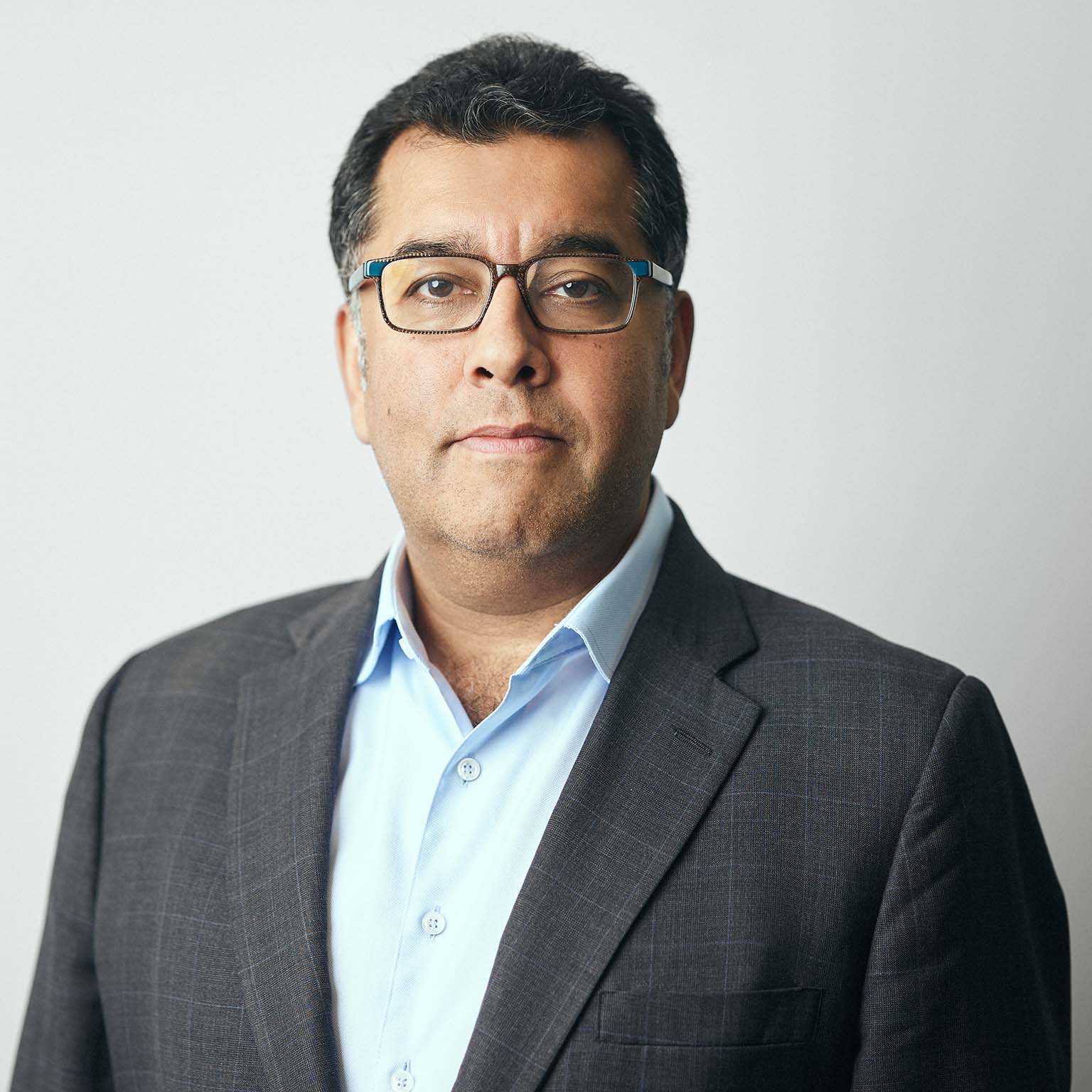
Chiemi Hayashi

Chiemi Hayashi

E-mail E-mail

Chiemi Hayashi is an Associate Director at the World Economic Forum and a leading member of the Scenario Planning Team. She was selected as a Global Leadership Fellow at the Forum in 2006.

Chiemi has been involved in developing a number of the Forum’s industry scenarios, such as the Future of Pensions and Healthcare and Technology and Innovation in Financial Services, and regional scenarios such as those for in the Middle East. Prior to her career at the World Economic Forum, she worked at Goldman Sachs (Japan).

Chiemi holds an MPhil in Development Studies from the University of Cambridge, a diploma in International Business from the University of California, Berkeley, and a Bachelor of Arts in International Studies from the International Christian University in Japan.


About the author

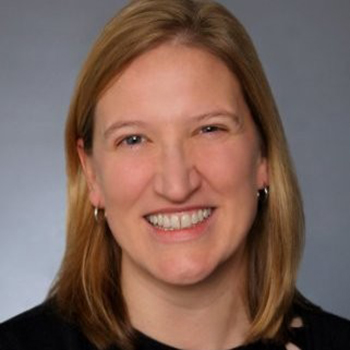
Heli Olkkonen


Heli Olkkonen

phone + 1 312 902 7465

email E-mail


Heli Olkkonen, a Principal at Mercer, has been seconded to the World Economic Forum from October 2007 until September 2009. Her responsibilities at Mercer include producing client inventories of human resource programs worldwide for multinational companies, global project management and global research projects in which she coordinates a team of 100+ Mercer consultants in more than 40 countries.  
 
Heli is the creator of four new offerings for multinational companies: Mercer’s 49-country annual publication Benefit Plans Around the World, Mercer’s monthly Global Benefits Legislative Update, Mercer’s biannual Going Global guide, and the University of Oxford (United Kingdom) and Mercer jointly delivered On-Line International TrainingTM program.

Heli holds a Master of Science in industrial/organization psychology from Purdue University.


About the author

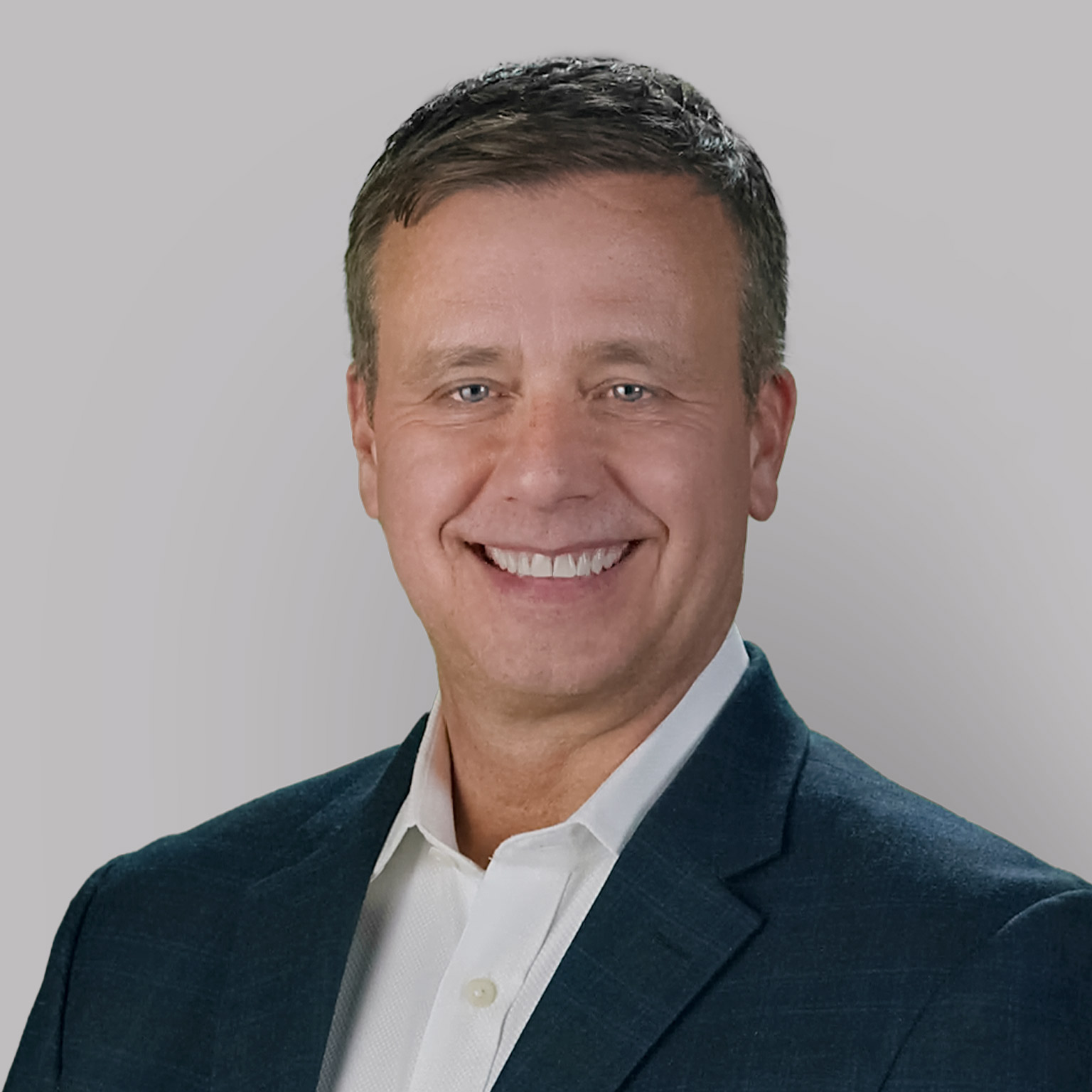
Bernd Jan Sikken

Bernd Jan Sikken

email E-mail

Bernd Jan Sikken is Associate Director at the World Economic Forum where he leads multi-stakeholder initiatives that aim to improve the state of the world. He is passionate about finding robust and creative solutions for fundamental issues such as demographic shifts and environmental sustainability. He is Head of Project Management with the Forum’s Centre for Global Industries. Prior to joining the Forum, Bernd Jan worked as business strategy consultant (PwC Consulting) and an investment manager (ING Investment Management). He holds a doctoraal degree in Economics from the University of Groningen, the Netherlands.


About the author

Juan Yermo - OECD

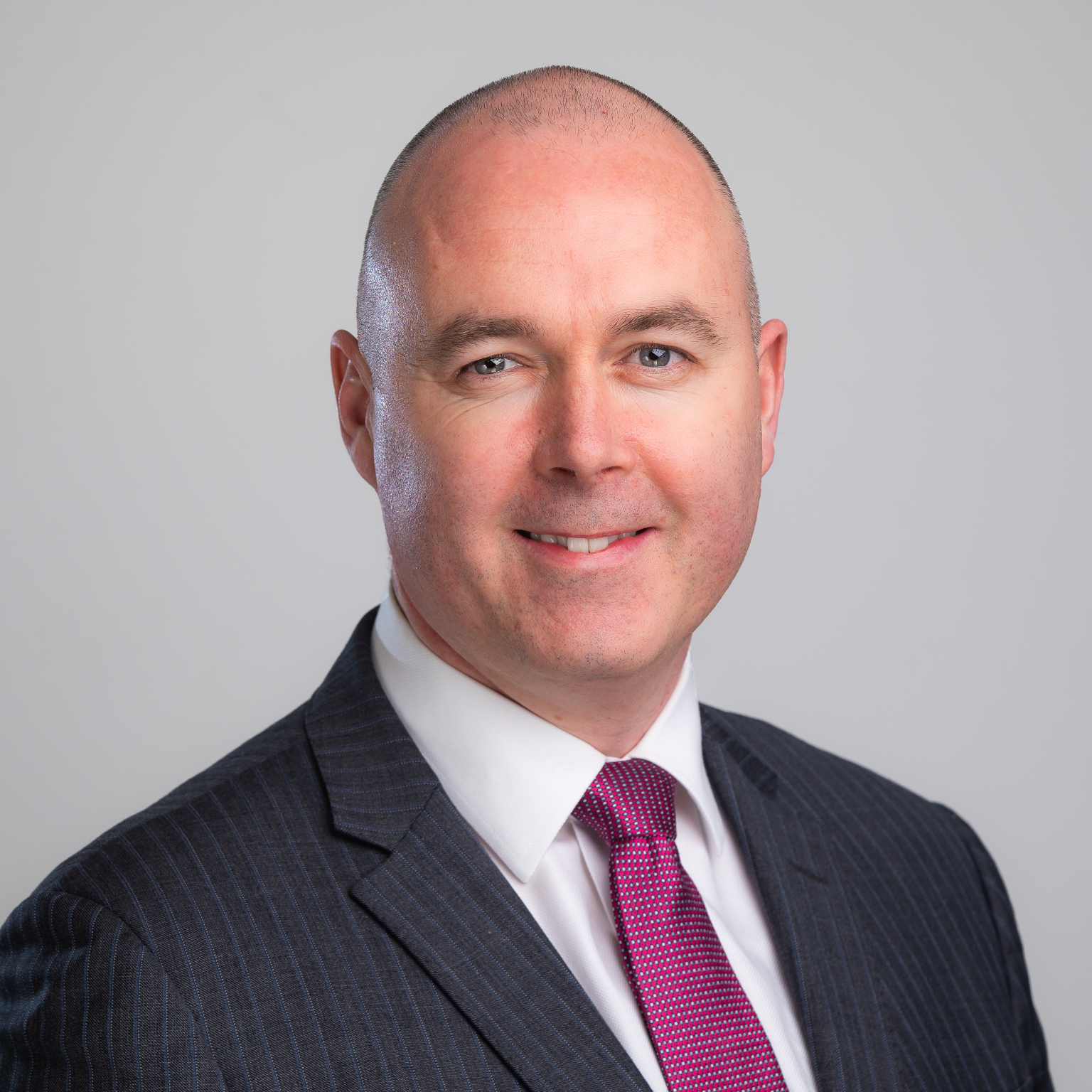
Juan Yermo

email E-mail


Juan Yermo is the Head of the Private Pensions Unit at the Organisation for Economic Co-operation and Development (OECD). Juan is in charge of research and policy analysis for the OECD Working Party on Private Pensions, a body that brings together policymakers and the private sector from 37 countries around the world. His work covers issues related to the operation and regulation of privately managed retirement income systems. He has acted as a trustee of the OECD staff pension fund and as advisor on governance and pensions issues to the CFA Institute, the International Labour Organisation, and pension funds of other international organizations.

Previously, he worked at the World Bank as a consultant on capital markets and pension reform and as an analyst in the risk management department at Bankers Trust.

Juan has a Masters Degree in economics from Cambridge University and doctoral studies (MPhil) in economics from Oxford University.