How to tailor employee benefits for a multi-generational workforce




Based on our Health on Demand 2025 Asia research, the percentage of employees who consider themselves physically and mentally well has decreased by 10 percentage points since 2023. Yet only 64% feel that their workplace benefits adequately meet their needs. Supporting your workforce’s needs is crucial to sustaining productivity and enhancing employee value and engagement.
Designing employee benefits that are beneficial to all employees
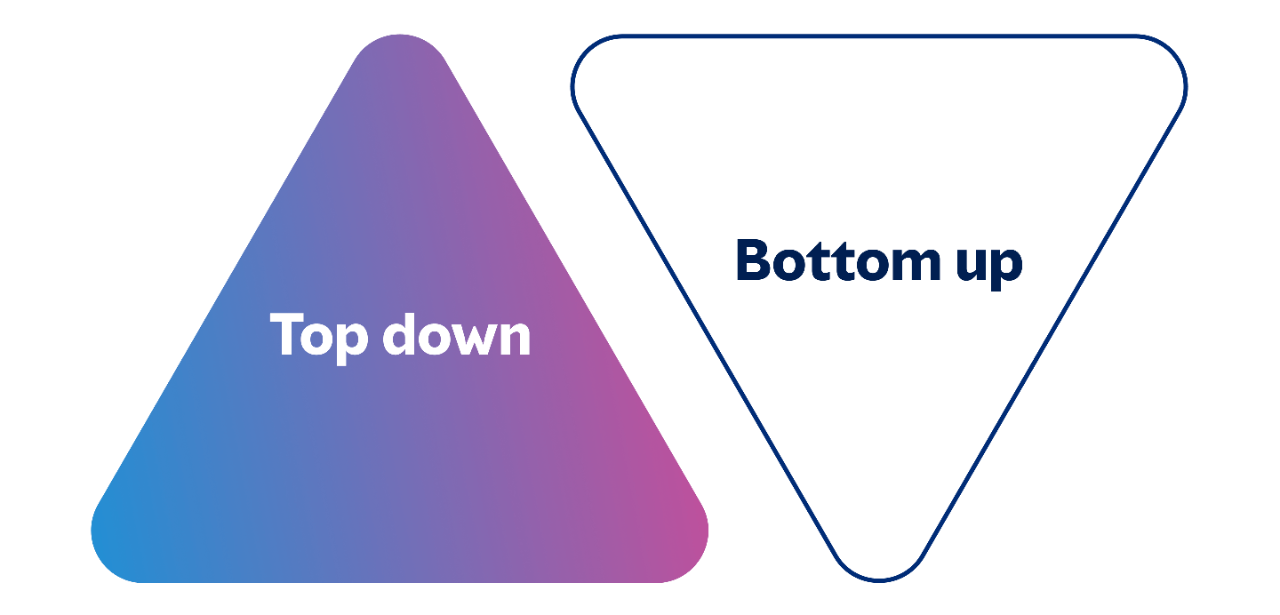
1. Flip the pyramid
-
Top downThose at the top of the pyramid typically receive the most benefits, whereas vulnerable employees have unmet needs. While 9% of employees earning above the median income have no access to any employer-sponsored benefits, this number is 21% for those at or below median income.
-
Bottom upConsider adding additional support for the entire workforce.
2. Include choices in your employee benefits program
 Source: Mercer Marsh Benefits, Health on Demand 2025
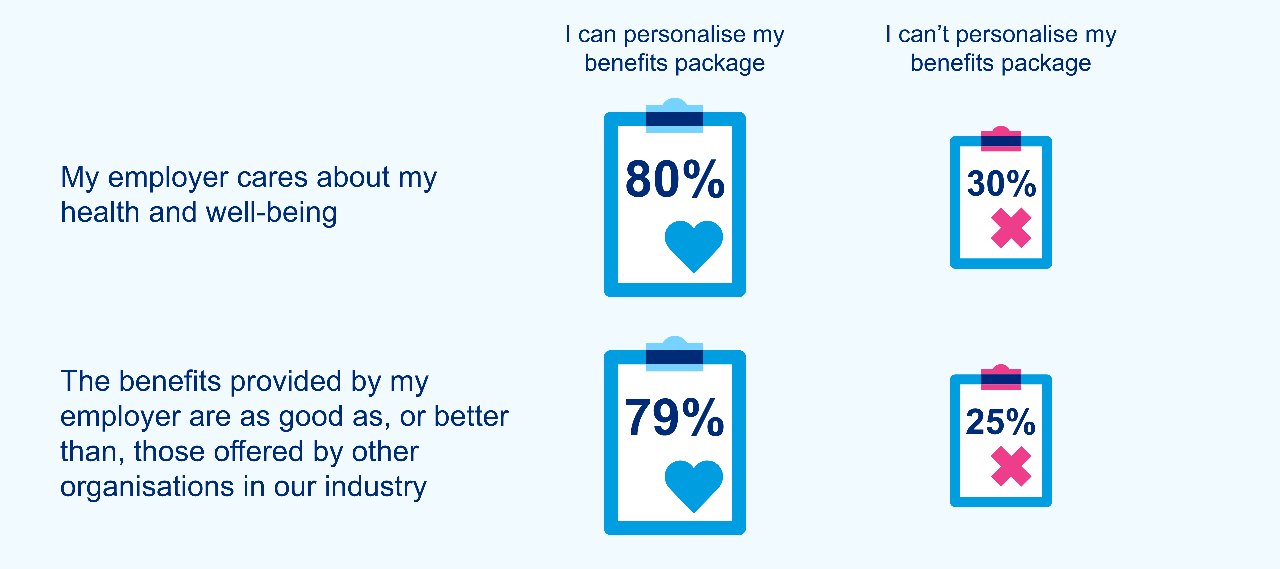
While there are some benefits that most people want, there are others that a small portion of employees really value. The data around the value of personalisation of benefits is compelling, with employees who can personalise their benefits package far more likely to feel that their employer cares about them.
Flexible benefits allow employees to tailor benefits to their individual needs, making them feel more valued and supported. However, employees are unlikely to take advantage of their benefits program if they do not know or understand them. For example, 75% of Boomers would be happy if their employer provided a communications channel for colleagues to share their personal stories to promote well-being (vs 69% of Gen Xs). This highlights the importance of utilising various ways to communicate your benefits program to different groups.
3. Meet individual needs




Caring organisations inspire employees to thrive
Health on Demand 2025 report Smarter benefits, stronger workforce