Cost of Living City Ranking 2023
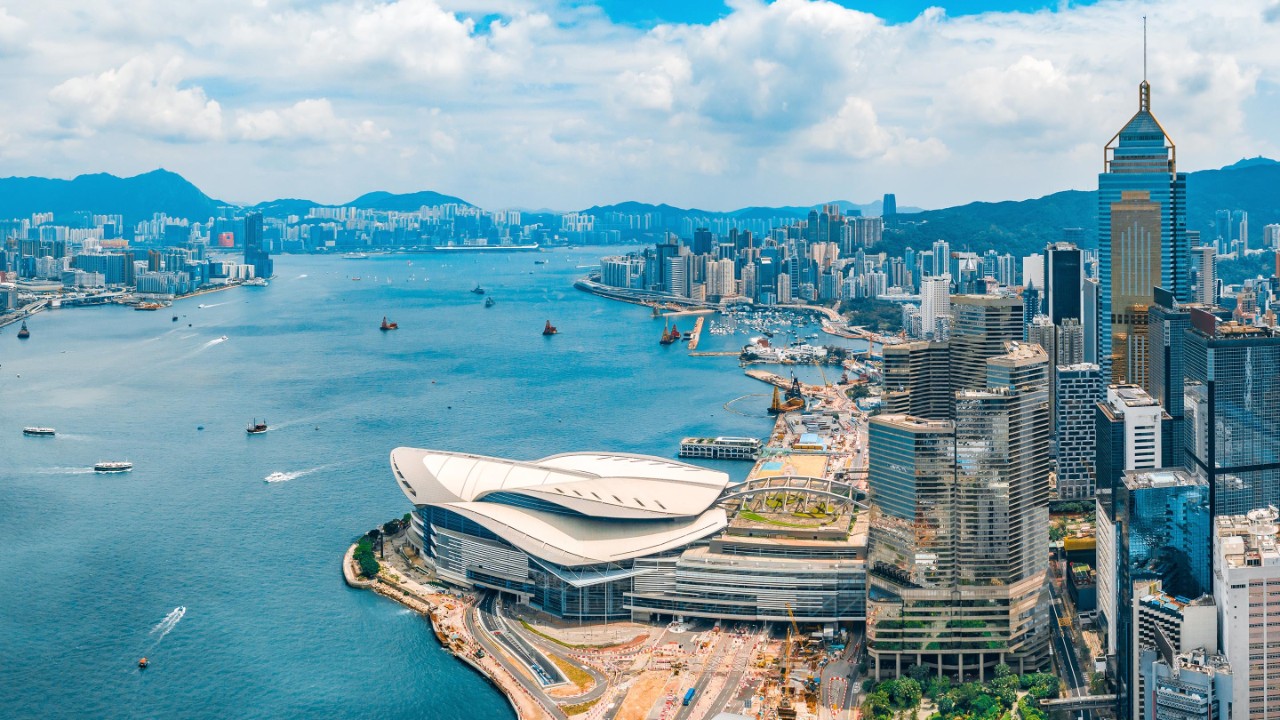
Hong Kong, Singapore and Zurich are the most expensive cities for international employees this year. How has the cost of living crisis affected multinational organizations and their global talent?
The most expensive cities in the world for international employees
This year, only two out of 10 of the most expensive cities for international assignees to live in are located in Asia, compared to four last year. However, these cities top the ranking, with Hong Kong ranked first, followed by Singapore (2). The two least expensive locations in the world are also Asian cities — Karachi (226) and Islamabad (227).
The global top ten includes five European cities and four of those are in Switzerland, with the fifth being Copenhagen. Other most expensive cities in the region include London, Vienna, Amsterdam, Prague (up 27 spots in the global ranking since last year) and Helsinki.
Tel Aviv remains the costliest city in the Middle East for international employees, ranked 8th on the global ranking. The next most expensive cities in this region are in the United Arab Emirates, namely Dubai (18) and Abu Dhabi (43), both of which have seen fairly significant increases in their rankings since last year. Saudi cities such as Riyadh (85) and Jeddah (101) have also jumped up the global list, by 18 and 10 spots respectively.
Within Central and South America, Nassau ranks as the most expensive location for international employees (number 10 globally), followed by San Juan (44) and Buenos Aires (45). It is worth noting that several locations within the region rank significantly higher than last year, with a move up of 76 spots for San Jose and 70 spots for Mexico City.
New York City (number six in the global ranking) continues to be the most expensive city in North America, followed by Los Angeles (11) and San Francisco (14). All US cities in the ranking have gone up since last year, with the largest changes being for Detroit (+27 positions), Houston and Cleveland (both +24 positions).
African cities placed highest in the global cost of living ranking are Bangui (26), Djibouti (27) and Luanda (30). The least expensive cities in the region include Windhoek, Durban and Tunis. Notably, these follow quite closely behind Cairo, which dropped 63 spots since last year.
| Rank | City | Location | Change |
| 1 | Hong Kong | Hong Kong (SAR) | 0 |
| 2 | Singapore | Singapore | 6 |
| 3 | Zurich | Switzerland | -1 |
| 4 | Geneva | Switzerland | -1 |
| 5 | Basel | Switzerland | -1 |
| 6 | New York City, NY | United States | 1 |
| 7 | Bern | Switzerland | -2 |
| 8 | Tel Aviv | Israel | -2 |
| 9 | Copenhagen | Denmark | 2 |
| 10 | Nassau | Bahamas | 6 |
| 11 | Los Angeles, CA | United States | 6 |
| 12 | Shanghai | China | 0 |
| 13 | Beijing | China | -3 |
| 14 | San Francisco, CA | United States | 5 |
| 15 | Honolulu, HI | United States | 5 |
| 16 | Seoul | South Korea | -2 |
| 17 | London | United Kingdom | -2 |
| 18 | Dubai | United Arab Emirates | 13 |
| 19 | Tokyo | Japan | -10 |
| 20 | Shenzhen | China | -7 |
| 21 | Boston, MA | United States | 9 |
| 22 | Miami, Fl | United States | 10 |
| 23 | Washington, DC | United States | 6 |
| 24 | Chicago, IL | United States | 12 |
| 25 | Vienna | Austria | -4 |
| 26 | Bangui | Central African Republic | -3 |
| 27 | Djibouti | Djibouti | 14 |
| 28 | Amsterdam | Netherlands | -3 |
| 29 | Atlanta, GA | United States | 13 |
| 30 | Luanda | Angola | 34 |
| 31 | Seattle, WA | United States | 14 |
| 32 | Kinshasa | The Democratic Republic of the Congo | 21 |
| 33 | Prague | Czech Republic | 27 |
| 34 | Helsinki | Finland | 9 |
| 35 | Paris | France | 0 |
| 36 | Guangzhou | China | -18 |
| 37 | Berlin | Germany | 9 |
| 38 | Munich | Germany | -5 |
| 39 | Conakry | Guinea Republic | 37 |
| 40 | N'Djamena | Chad | 40 |
| 41 | Brussels | Belgium | -2 |
| 42 | Victoria | Seychelles | -4 |
| 43 | Abu Dhabi | United Arab Emirates | 18 |
| 44 | San Juan | Puerto Rico | 28 |
| 45 | Buenos Aires | Argentina | 69 |
| 46 | The Hague | Netherlands | 1 |
| 47 | Lagos | Nigeria | 8 |
| 48 | Frankfurt | Germany | 14 |
| 49 | Milan | Italy | -1 |
| 50 | Philadelphia, PA | United States | 20 |
| 51 | Dublin | Ireland | -2 |
| 52 | Libreville | Gabon | -28 |
| 53 | Dallas, TX | United States | 22 |
| 54 | Montevideo | Uruguay | 69 |
| 55 | Qingdao | China | -33 |
| 56 | Sydney | Australia | 2 |
| 57 | Taipei | Taiwan | -29 |
| 58 | Luxembourg | Luxembourg | -6 |
| 59 | Rome | Italy | -2 |
| 60 | Oslo | Norway | -33 |
| 61 | Houston, TX | United States | 24 |
| 62 | Hamburg | Germany | -3 |
| 63 | San Jose | Costa Rica | 76 |
| 64 | Riga | Latvia | 15 |
| 65 | Pittsburgh, PA | United States | 17 |
| 66 | Dakar | Senegal | -1 |
| 67 | Minneapolis, MN | United States | 16 |
| 68 | Busan | South Korea | -34 |
| 69 | Stuttgart | Germany | 2 |
| 70 | Noumea | New Caledonia | -16 |
| 71 | Melbourne | Australia | -4 |
| 72 | Portland, OR | United States | 19 |
| 73 | Nanjing | China | -47 |
| 74 | Dusseldorf | Germany | 7 |
| 75 | Barcelona | Spain | 3 |
| 76 | Shenyang | China | -36 |
| 77 | Abidjan | Côte D'Ivoire | -9 |
| 78 | St. Louis, MO | United States | 23 |
| 79 | Mexico City | Mexico | 70 |
| 80 | Detroit, MI | United States | 27 |
| 81 | Douala | Cameroon | -4 |
| 82 | Brisbane | Australia | 2 |
| 83 | Madrid | Spain | 7 |
| 84 | Brazzaville | The Republic Of Congo | -10 |
| 85 | Riyadh | Saudi Arabia | 18 |
| 86 | Edinburgh | United Kingdom | -20 |
| 87 | Santiago | Chile | 43 |
| 88 | Cleveland, OH | United States | 24 |
| 89 | Chengdu | China | -45 |
| 90 | Toronto | Canada | -1 |
| 91 | Leipzig | Germany | 8 |
| 92 | Lyon | France | 4 |
| 93 | Osaka | Japan | -56 |
| 94 | Canberra | Australia | 10 |
| 95 | Stockholm | Sweden | -8 |
| 96 | Nuremberg | Germany | 20 |
| 97 | Athens | Greece | 29 |
| 98 | Manama | Bahrain | 19 |
| 99 | Chongqing | China | -43 |
| 100 | Tallinn | Estonia | 40 |
| 101 | Jeddah | Saudi Arabia | 10 |
| 102 | Yaounde | Cameroon | -2 |
| 103 | Pointe-à-Pitre | Guadeloupe (France) | -15 |
| 104 | Bratislava | Slovakia | 1 |
| 105 | Bangkok | Thailand | 1 |
| 106 | Adelaide | Australia | -4 |
| 107 | Perth | Australia | -10 |
| 108 | Xian | China | -45 |
| 109 | Glasgow | United Kingdom | -23 |
| 110 | Amman | Jordan | 5 |
| 111 | Auckland | New Zealand | -16 |
| 112 | Suzhou | China | -43 |
| 113 | Nagoya | Japan | -62 |
| 114 | Harare | Zimbabwe | 15 |
| 115 | Yokohama | Japan | -65 |
| 116 | Vancouver | Canada | -8 |
| 117 | Lisbon | Portugal | -8 |
| 118 | Birmingham | United Kingdom | -24 |
| 119 | Aberdeen | United Kingdom | -26 |
| 120 | Port of Spain | Trinidad & Tobago | 15 |
| 121 | Toulouse | France | -11 |
| 122 | Wuhan | China | -49 |
| 123 | Vilnius | Lithuania | 25 |
| 124 | Taichung | Taiwan | -32 |
| 125 | Belfast | United Kingdom | -4 |
| 126 | Doha | Qatar | 7 |
| 127 | Kingston | Jamaica | 26 |
| 128 | Bamako | Mali | -10 |
| 129 | Bujumbura | Burundi | 15 |
| 130 | Muscat | Oman | -11 |
| 131 | Kuwait City | Kuwait | 0 |
| 132 | Phnom Penh | Cambodia | 2 |
| 133 | Manila | Philippines | -11 |
| 134 | Lome | Togo | -10 |
| 135 | Montreal | Canada | -10 |
| 136 | Guatemala City | Guatemala | 0 |
| 137 | Ottawa | Canada | -5 |
| 138 | Kaohsiung | Taiwan | -25 |
| 139 | Wellington | New Zealand | -19 |
| 140 | Abuja | Nigeria | 7 |
| 141 | Yerevan | Armenia | 56 |
| 142 | Bucharest | Romania | 16 |
| 143 | Ljubljana | Slovenia | 2 |
| 144 | Cotonou | Benin | -16 |
| 145 | Calgary | Canada | -4 |
| 146 | Zagreb | Croatia | 13 |
| 147 | Mumbai | India | -20 |
| 148 | Panama City | Panama | 4 |
| 149 | Ouagadougou | Burkina Faso | -12 |
| 150 | Quito | Ecuador | 6 |
| 151 | Jakarta | Indonesia | 0 |
| 152 | Sao Paulo | Brazil | 16 |
| 153 | Tirana | Albania | 8 |
| 154 | Dhaka | Bangladesh | -56 |
| 155 | Monterrey | Mexico | 30 |
| 156 | Hanoi | Vietnam | -6 |
| 157 | Niamey | Niger | -19 |
| 158 | Casablanca | Morocco | -15 |
| 159 | Maputo | Mozambique | 8 |
| 160 | Santo Domingo | Dominican Republic | 13 |
| 161 | Budapest | Hungary | 19 |
| 162 | Dar Es Salaam | Tanzania | 2 |
| 163 | Nouakchott | Mauritania | 6 |
| 164 | Ho Chi Minh City | Vietnam | -1 |
| 165 | Limassol | Cyprus | 0 |
| 166 | Kampala | Uganda | 0 |
| 167 | Lima | Peru | 5 |
| 168 | Sofia | Bulgaria | 2 |
| 169 | New Delhi | India | -14 |
| 170 | Warsaw | Poland | 4 |
| 171 | Rio De Janeiro | Brazil | 5 |
| 172 | Bandar Seri Begawan | Brunei | 7 |
| 173 | Nairobi | Kenya | -13 |
| 174 | Rabat | Morocco | -12 |
| 175 | Belgrade | Serbia | 0 |
| 176 | San Salvador | El Salvador | 6 |
| 177 | Baku | Azerbaijan | 9 |
| 178 | Accra | Ghana | -32 |
| 179 | Tegucigalpa | Honduras | 10 |
| 180 | Kuala Lumpur | Malaysia | 1 |
| 181 | Tbilisi | Georgia | 36 |
| 182 | Minsk | Belarus | 22 |
| 183 | Port-Au-Prince | Haiti | -12 |
| 184 | Chennai | India | -7 |
| 185 | Istanbul | Turkey | 37 |
| 186 | Wroclaw | Poland | 1 |
| 187 | Port Louis | Mauritius | 4 |
| 188 | Brasilia | Brazil | 12 |
| 189 | Bengaluru | India | -11 |
| 190 | Krakow | Poland | 0 |
| 191 | Kigali | Rwanda | 17 |
| 192 | Asuncion | Paraguay | 3 |
| 193 | Antananarivo | Madagascar | -5 |
| 194 | Addis Ababa | Ethiopia | 20 |
| 195 | La Paz | Bolivia | 1 |
| 196 | Manaus | Brazil | 11 |
| 197 | Lusaka | Zambia | 2 |
| 198 | Blantyre | Malawi | -14 |
| 199 | Belo Horizonte | Brazil | 11 |
| 200 | Skopje | North Macedonia | 6 |
| 201 | Managua | Nicaragua | 11 |
| 202 | Hyderabad | India | -10 |
| 203 | Sarajevo | Bosnia-Herzegovina | 6 |
| 204 | Yangon | Myanmar | -6 |
| 205 | Johannesburg | South Africa | -12 |
| 206 | Algiers | Algeria | 12 |
| 207 | Banjul | Gambia | -5 |
| 208 | Almaty | Kazakhstan | 11 |
| 209 | Vientiane | Lao People's Democratic Republic | -52 |
| 210 | Cape Town | South Africa | -16 |
| 211 | Kolkata | India | -8 |
| 212 | Johor Bahru | Malaysia | -1 |
| 213 | Pune | India | -12 |
| 214 | Bogota | Colombia | -9 |
| 215 | Colombo | Sri Lanka | -32 |
| 216 | Gaborone | Botswana | -1 |
| 217 | Cairo | Egypt | -63 |
| 218 | Tashkent | Uzbekistan | 3 |
| 219 | Tunis | Tunisia | 1 |
| 220 | Durban | South Africa | -4 |
| 221 | Ankara | Turkey | 6 |
| 222 | Windhoek | Namibia | -9 |
| 223 | Dushanbe | Tajikistan | 2 |
| 224 | Bishkek | Kyrgyzstan | 2 |
| 225 | Havana | Cuba | -83 |
| 226 | Karachi | Pakistan | -3 |
| 227 | Islamabad | Pakistan | -3 |
The cost of living crisis – Impact on employers and employees
High inflation and market fluctuations impact the cost of living across the world, impacting our purchasing power and standard of living.
Join our live webinar on 28 June for highlights of our latest cost of living research, and the implications for multinational organizations looking to design efficient and equitable compensation packages for their globally mobile employees.
Extensive use of remote working is causing many employees to reconsider their priorities, assess their work-life balances, and think about the places in which they have chosen to live. This is forcing many organizations to reimagine their work setups. Overall, this has meant that many employers are having to rethink how they manage a globally distributed workforce. This is particularly true for those that operate in tight labor markets.
For companies in this situation, Mercer’s cost of living data can help. It provides the information that employers need to develop effective compensation strategies for their globally distributed workforces. This is particularly important in markets where the labor supply is restricted. The information that Mercer supplies highlights the importance of monitoring currency fluctuations and assessing inflationary and deflationary pressures on goods, services and accommodation in all operating locations. The data can also help employers determine and maintain compensation packages for employees on international assignments and when working full-time abroad.

Four steps in revisiting mobile talent compensation
Attracting international businesses and talent
Cost is not the only factor that influences how attractive a location is to employees and corporations. An equally important factor is the overall quality of life that a city offers. Conversely, risks and other negative issues, such as natural disasters, political and/or economic turmoil, high crime rates, poor infrastructure and inadequate international connectivity, can be major deterrents to companies and their employees.
In general, countries and cities are continuously striving to attract international businesses as well as digital nomads and mobile employees. The most successful locations are currently those combining flexible governance for mobile talent, a high quality of life and a reasonable cost of living.
The chart below shows the correlation between the cost and quality of living across selected cities around the world. It also highlights how each location ranks with respect to three specific aspects: safety (including criteria such as crime, law enforcement, limitations on personal freedom and media/censorship), eco-friendliness (considering water potability, waste removal, sewage, air pollution, water availability and traffic congestion) and infrastructure (looking at electricity, water availability, telephone, mail, public transport, traffic congestion and airports).
At a glance: Price movement around the world
Butter: The chart shows the movement of butter prices across selected locations. All but one of the locations saw a price increase with the highest occurred in Buenos Aires, followed by Madrid, Dakar, London, Rome and Seoul. Tokyo was the only city with a price decrease. The data refer to butter, table or best quality (500 gr / 17.6 oz).
Cooking oil: The chart shows the movement of cooking oil prices across selected locations. All of the locations had a price increase. The highest price increase occurred in Buenos Aires, followed by London, Nairobi, Dakar, Berlin, Madrid, Sydney, Warsaw Istanbul and Rome. The data refer to cooking oil (1 lt / 33.8 oz / 920 gr).
Sugar: The chart shows the movement of sugar prices across selected locations. By far, the highest price increase occurred in Buenos Aires, followed by Istanbul, Madrid, Warsaw, Paris and London. Price decrease occurred in São Paulo, followed by Sydney, Mexico City and Mumbai. The data refer to sugar, white granulated sugar only (1000 gr / 35.3 oz / 2.2 lb).
Essential items basket: The chart shows the price movement for a selection of essential goods across selected locations. All of the locations had a price increase. The highest price increase occurred in Buenos Aires, followed by Istanbul, London tied with Rome, Madrid, New York, Berlin, Dakar and Warsaw. The basket includes the following essential goods: a box of 20 band-aids, table butter 500 gr/17.6 oz, chicken meat 1 kg / 2.2 lb, cooking oil 1l / 33.8 oz / 920 gr, 12 large eggs, mineral water 1 lt / 33.8 oz, white grain rice 1 kg / 35.3 oz / 2.2 lb, 1 bath size soap, white granulated sugar 1 kg / 35.3 oz / 2.2 lb and 2 rolls of toilet paper.
Gasoline: The chart shows the movement of gasoline prices across selected locations. By far, the highest price increase occurred in Buenos Aires, followed by Nairobi, Dakar, Johannesburg and Hong Kong. The most significant price decrease occurred in São Paulo, followed by New York, Los Angeles, London, Beijing and Berlin. The data refer to one liter of gasoline, unleaded 95 octane.
About Mercer’s Cost of Living Survey
Mercer's widely recognized survey is one of the world’s most comprehensive studies of its kind. It is designed to help multinational companies and governments determine compensation strategies for their international assignees.
Governments and major companies use data from this survey to protect the purchasing power of their employees when they are transferred abroad. For example, data on rental accommodation costs is used to assess local international assignees’ housing allowances. The choice of cities surveyed is based on demand for data from Mercer’s clients.
How we calculate the cost of living index
New York City is used as the base city for all city ranking comparisons. Currency movements are measured against the US dollar. The survey includes over 400 cities.
This year’s ranking includes 227 cities from across five continents. It measures the comparative cost of more than 200 items in each location, including housing, transportation, food, clothing, household goods and entertainment. The data collected provides all of the key information employers need to design efficient and transparent compensation packages for international assignees. Learn more here.
The figures used in Mercer’s cost of living and rental accommodation cost comparisons are derived from a survey conducted in March 2023. Exchange rates from that time, along with Mercer’s international basket of goods and services from its cost of living survey, were used for calculations and baselines.
Mercer inflation definition
Inflation is generally defined as the measure of price movements from time T to time T+1, using exactly the same specifications of items in terms of their packaging sizes and characteristics.
For the purpose of Mercer’s cost of living survey, Mercer’s quoted inflation figure is designed to provide an indication of how the index has moved in the last six or 12 months in local currency terms, regardless of the currency fluctuations between home and host locations.


