Tailoring benefits for the whole workforce




According to our Health on Demand 2025 research, only 59% of employees feel that their benefits adequately meet their needs.
This represents a significant opportunity to enhance support for employees, who have recently reported a decline in their overall well-being. Specifically, the percentage of employees who consider themselves physically and mentally well has decreased by eight percentage points, from 82% in 2023 to 74% this year.
Employers aiming to support their entire workforce have a chance to enhance employee value and engagement by aligning benefits with both universal needs — such as health screenings — and more personalised requirements that consider individual circumstances and realities. Unfortunately, many conventional benefit plans are designed around the concept of the ‘average employee’ and are centred around traditional life events.
According to our research, only 52% of foreign-born employees believe their employer cares about their health and well-being, compared to 62% of all respondents globally. Just under two-thirds (64%) of LGBTQ+ employees report being physically and mentally well, lower than the 73% of heterosexual employees. Women report poorer overall physical and mental well-being, with 71% stating they are well compared to 77% of men. Men report more physically demanding jobs. Single mothers are not confident they can afford healthcare.
Lower-income workers merit special mention; a third (33%) of employees with below-median incomes expressed concern about affording care, versus 15% of those with above-median incomes.
Flipping the pyramid
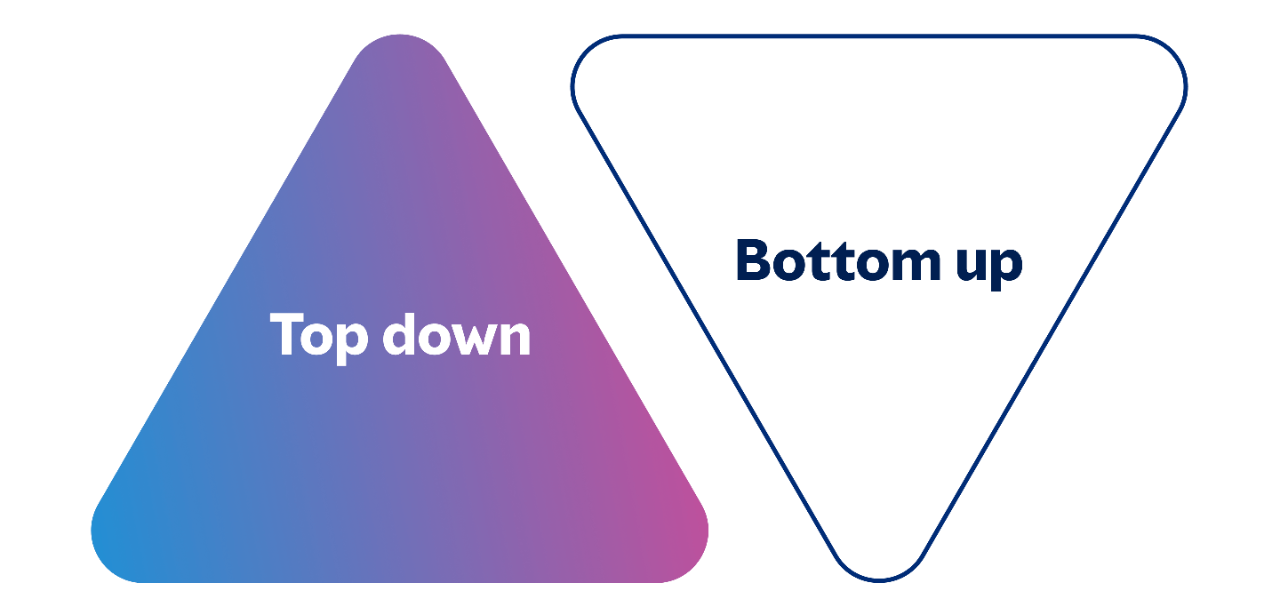
Flip the pyramid to provide benefits to meet the needs of the full workforce
-
Top downThose at the top of the pyramid typically receive the most benefits, whereas vulnerable employees have unmet needs. While 11% of employees earning above the median income have no access to any employer-sponsored benefits, this number is 24% for those at or below median income.
-
Bottom upConsider adding new supports for the full workforce
Address both men’s and women’s health issues
Adding choice
Personalised benefits drive higher confidence in employer support
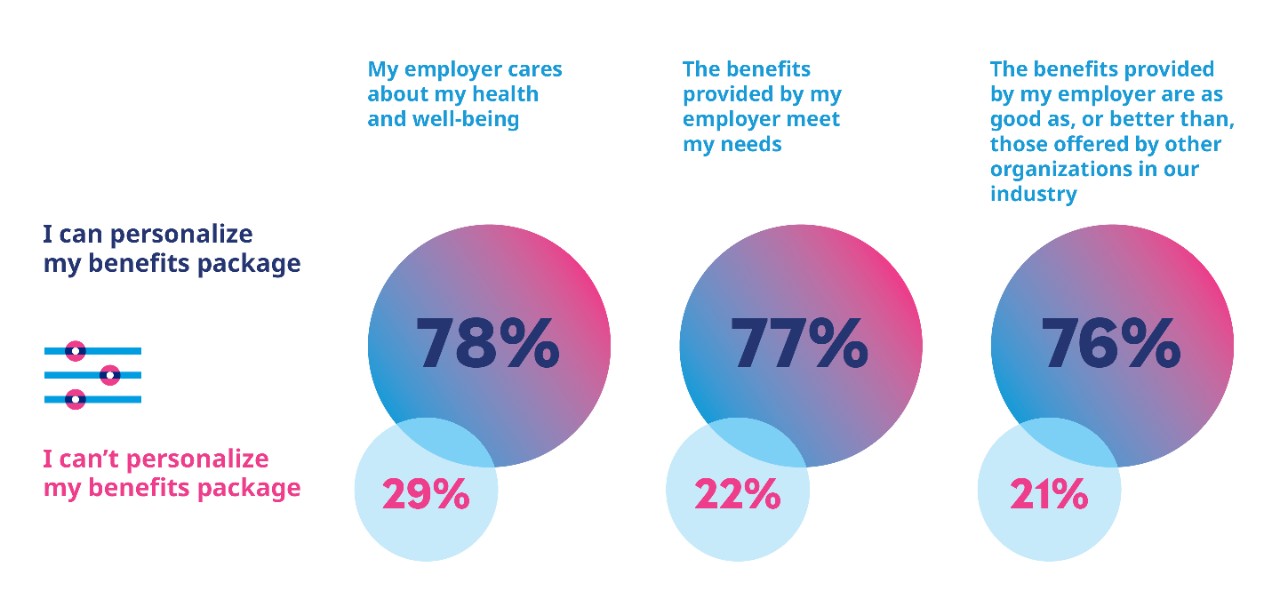 Source: Mercer Marsh Benefits, Health on Demand 2025, Smarter Benefits, Stronger Workfoce.
Flexible benefits, which allow employees to tailor benefits to their individual needs, can make employees feel more valued and supported.
Employees are unlikely to take advantage of benefit programmes if they don’t know about or understand their programmes, making communication and education with plan members vital. Our research highlights the importance of utilising various ways to communicate, since different groups might have distinctive preferences. For example, 73% of Gen Zs would be happy if their employer provided a communication programme for colleagues to share their personal stories to promote well-being (vs. 63% of Boomers).
Three ways to meet individual needs

Evaluate ways to bring essential coverage to populations not eligible for benefits

Tackle the distinct well-being concerns of men and women

Caring organisations inspire workers to thrive
Caring organisations inspire workers to thrive
Health on Demand 2025 report Smarter benefits, stronger workforce